Wednesday, December 3, 2008

Poo-Poo


I mentioned that yesterday was a pretty busy day of life and death cases. The final appointment was no exception. I was expecting to do a check up on a long-time patient, Gypsy, an elderly cat with a very devoted owner who has faithfully treated her friend for heart disease for 4 years. In the hands of virtually any other owner, I had no doubt Gypsy wouldn't have survived a year, much less 4. She took her to the veterinary cardiologist periodically for ultrasound exams of her heart and fine tuning her numerous heart failure medications. But a few months ago another problem of older cats started becoming a problem for Gypsy-her kidneys started to fail. On top of the heart and blood pressure issues, she was now losing weight, vomiting, and just not eating more than licks of gravy off her canned foods. Always a tiny girl anyway, she was wasting away rapidly despite all of her owners best efforts. Gypsy's owner was concerned because she was crying a lot and acting ravenous, but just wouldn't eat. She was also acting like she couldn't see or was maybe confused or lost in her own familiar house. We had tested her for some issues that older cats get that can result in these symptoms-hyperthyroid cats often start to vocalize, especially at night. Cats with high blood pressure can often develop vision problems. Gypsy checked out fine on those tests. We tried confining her to a single room in the house, and even though she didn't like that much at first, we really think it helped her vocalizing and apparent confusion.

We were planning to test her blood to see where her kidney values were today. One look at Gypsy told us what the blood levels would be with out ever needing to draw a sample. She had lost another pound of body weight and now was only 4 pounds. She was breathing with rapid, shallow breaths-no doubt fluid was building up in her lungs. She still loved the company of her humans-on her terms. She is a cat, after all! But is was evident that she was tired and weak, a mere shadow of her former self. Her hair coat had some shine, but nothing like the luster of years gone by. Her eyes were a bit sunken in the sockets-she was dehydrated despite drinking well.

Gypsy's owner always did everything her doctors said should be done. She faithfully gave multiple medications every day, several times a day, all those years. She gave Gypsy special diets, took her to the specialists, she spent a huge part of her life and money taking care of this special family member. There was just no question to her that if it needed to be done, she would do it for Gypsy. What a lucky cat to be loved and card for so well!

Last night she was emotionally drained and crushed to learn of Gypsy's weight loss. She needed to hear from me that it wasn't just OK but that it was THE right time to let Gypsy give up the fight. Her relief was instant. She couldn't make the decision for Gypsy, but she had obviously spent oh so much time thinking and praying about it and just needed confirmation that her dear friend needed this one last gift from her.

Did you see the title of this blog? "Gypsy's" owner had a confession to make to me on this last visit with her. We had known her for years as Gypsy because her family was embarrassed to let other people know her real name-"Poo-Poo." This, her owner explained, was even a bit of a compromise because actually she started out as "Little Shit" when she was a crazy, frisky kitten so long ago. Her true personality sneaking out a bit.

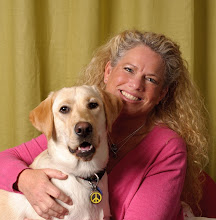
I got the beautiful picture above and this bittersweet email this morning:

Good morning, Dr. Gray,
I wish I could stop crying. I miss her so much.
Thanks again for everything you do for God's animals. You're a blessing!
Here's the picture I promised.....

Although a passing is a sad, sad thing, we can truly celebrate the human-animal bond remembering this wonderful relationship. Don't all pets deserve this?

Peace,
DrReneigh

Tuesday, December 2, 2008

A Day in the Life


Michael and I had a wonderful little vacation to California to visit his parents for Thanksgiving. We had plenty of sunshine, good food, walks on the beach, kayaking around the bay and just relaxing. I realized I was really homesick for California, especially the beautiful central coast area where we went to undergraduate school (Cal Poly) and where Michael and I met so long ago. We got home late last night (early this morning) and all the critters, from Jesse the donkey to Viggo the rooster, trumpeted their greetings. Verbal and the cats were especially excited to see us and it felt good to climb in our familiar bed after long delays at the airports all day. Now it is back to work, and it has already been a busy day.

Luna was waiting for us as we opened up at 7am. She is just 4 months old, a tiny grey kitty who had tangled with a fan belt and lost, resulting in a straight across fracture of her mid-shaft left tibia and fibula. Her owner can't afford to take her to get it surgically corrected as it really needs, but I'm really hoping the old adage "put two bones of a kitten in the same room and they will heal" will turn out to be true for little Luna. We gave her some nice pain relief meds, a little anesthesia and pulled the two ends of the bones into alignment. The problem is, those stong little thigh muscles don't want to keep the bones reduced properly without a lot of tension on the splint. The post-reduction radiographs look OK for now. We will keep our fingers crossed once she gets to feeling better and starts feeling like her old self. Trying to keep a young kitten "quiet" for 6 weeks is a bit of a joke.

Chelsea is a 19 year old cat that was in for a euthanasia consultation first thing this morning. Ugh. She had a bout of bloody urine which she had experienced before. Since she had responded to a course of antibiotics the last time, her owners and I thought it was worth trying it again. We discussed signs to watch for regarding her quality of life-wanting to distance herself from her humans, not wanting to eat or losing weight, not using her litter box....none of which she was currently experiencing. That was good. At 19, her lifespan surely is coming to a close, but maybe not this morning.

Jetta is a healthy, happy cat that came in this morning for her yearly health exam and to get caught up on her vaccinations. It is great to see pets who are so well loved and cared for, getting the health care that we know will help keep them healthy and happy for years to come. She was a bit put out by the thermometer, her weight and dental health were excellent, and she took her vaccines like a trooper. We'll see you next year, Jetta!

Bartlett is a pretty black kitty that was having trouble breathing, kind of a raspy, wheezy sound which she had experienced before and had some improvement on antiinflammatory medication. Sure enough, when I listened to her lungs, she was wheezing away, really having a tough time getting air in and out of her lungs. We decided to take some radiographs and sent them to the radiologist to interpret, suspecting feline asthma. We sent her home with a refill of the antiinflammatory medication, and I will do some research on the current treatment protocols for feline asthma, since the use of those antiinflammatories probably isn't the best thing for her long term. She also isn't the easiest patient in the world to get medication into, so maybe we can find a liquid or maybe even a transdermal preparation of a medication if she has to have one long term. Her owner would be very grateful.

Oreo was also having a tough time breathing, but for a different reason. She was diagnosed with lymphoma, a type of cancer, about 6 weeks ago. Her owners managed her pain and the swelling of her lymph nodes the best they could, but the disease progressed rapidly and they felt she no longer had what they considered "quality of life." Watching her pant and struggle for each breath, I had to agree. We discussed what saying goodbye would entail, gave her all the cookies she wanted, and let her go with her head in her owner's arms. Of course her owner was devastated, but she couldn't ask her friend to continue in the agony she knew she was in just for her sake.

Kira is a pretty young husky, in today to be spayed. We have seen her as she was growing up, getting all her puppy exams and vaccines, and she is a healthy dog. We found her to be very healthy today, so did her pre-anesthetic blood work, placed her IV catheter, gave her some pain relief medication, and preformed her surgery without any problems. Sometime I'll tell you what a "spay" surgery entails. It is actually a pretty cool surgery, and really not "routine" at all for that individual dog. Kira is snoozing pretty well right now with her post operative pain relief medication on board. Better living through chemistry.

We worked well into lunch time this morning, so I'm going to run and go find something to eat. Then we will start the afternoon appointments. I bet it will be a similar mix of life and death. It is what we do.

Peace,
DrReneigh

Wednesday, November 26, 2008

Happy Thanksgiving!

Are you going to travel with your pet for the holidays? Traveling together can be a good way to strengthen your relationship because you are spending more time together, but remember-not all pets actually LIKE traveling. By making the right preparations in advance, training and providing diligent, loving supervision throughout the holiday, you and your pet can have a great time.

Dogs trained reliably for the following behaviors have advantages for travel, whether going with you or staying home at a boarding facility.

1) Come when called-dogs who run the other way when called can be at risk for injury or worse.
2) Ride calmly in cars-if they get carsick or anxious it just isn't any fun for the pet or you.
3) Rest calmly in a crate-dogs who can't spend time confined to a small kennel can injure themselves by chewing or clawing at bars or just get messy if they stress out and defecate/urinate on themselves
4) Walk loosely on a leash-dogs who pull on a leash risk injury to their throats and can hurt those holding the leash.
5) Wait at doors for permission to exit-dogs or cats dashing out opened doors can wind up in tragic situations. New people won't know to squeeze out a slightly opened door to hold in an eager pet.

Cats should of course be litter box-trained (I thought this was so basic but had a client the other day who never provided a box for her cat as he always went outside.)
All pets should have a microchip implanted for permanent identification should they get lost (collars often come off.)

Make sure your pet is healthy before traveling-most airlines require a health certificate if you are flying with your pet. Get this done within the time limits they set-each airline is different.
Have a good idea of rules and regulations of hotels and even preferences of family members where you and your pet will be staying- not all are "pet friendly."

If traveling makes your pet very stressed or anxious, tranquilizers aren't really a good idea. They can alter personalities in unpredictable ways, can drop body temperatures and some airlines won't accept pets who are overly sedated. It might be better just to leave your pet home if they hate traveling that much.

Above all, be be safe and have a good time. Lots of preparation ahead of time can make all the difference.

I'm off to California tomorrow for a nice long weekend. No, Verbal and the others aren't going along this time. My hospital attendant, Kristina, has graciously agreed to stay with my menagerie. I'm so fortunate to have some one I totally trust with my beloved kids. I get to spend some time with my wonderful in-laws in the central California coast area. (We haven't been home in ages so this will be a real treat.) I hope everyone has a safe and healthy holiday; I'll get back to writing when I get back.

Peace,
DrReneigh

Tuesday, November 25, 2008

To Be Sad or Mad?

There's no easy way to break this news. Do you remember Lucy, the parvo dog the staff saved with help from the Flake's Fund? Well, she is dead, and I'm really, really angry about it. My staff is just devastated, and I can't blame them. It seems her adopted owner, the one we thought we were doing such a nice, generous thing for by donating over $600 of medical care when she claimed poverty on a newly adopted shelter dog, got frustrated by Lucy's "ongoing medical issues." We saw Lucy for a recheck and booster vaccines a couple of weeks after her hospital stay and found she had some warty growths on her lips and tongue. These were most likely due to a papilloma virus of dogs, probably contagious to other dogs but not transmittable to humans. I "treated" this problem by crushing a few of the largest growths, making them bleed a little, thus exposing the warts to Lucy's bloodstream. This would theoretically allow antibodies to develop against the virus and is often all that is needed to "cure" the problem; no costly diagnostics or treatment regimens are necessary. In a phone call a few days later to check up on that situation, the owner told us she gave Lucy to her brother and his family, who were a better match for her personality. That was a little hard to stomach, but OK, whatever was best for the dog. In reality, she took her to the local humane society and Lucy was euthanized for whatever reason. We do not know what the owner's situation was, if she was embarrassed or inconvenienced or why she didn't contact us when she decided she didn't want or couldn't keep Lucy any longer. We very likely would have gone the distance again and tried to find her a good home, especially with her history with us. She was a very sweet dog, a little shy, but who could blame her? My staff is in shock about the news, not understanding how their good deeds could be so unappreciated or taken so lightly. It will probably make them a little gun shy about extending those gifts in the future, and that is a shame. My hospital manager wrote a pretty heated letter to Lucy's owner; I asked her to sit on it for a few days and rewrite it when she wasn't necessarily in the height of emotions. I do agree she should send something to inform this woman what our perceptions are and how much the entire staff was hurt by her actions. Maybe we aren't the right veterinary team for this family; trust and teamwork have to go both ways. Rest in peace, Lucy.
Peace,
DrReneigh

Monday, November 24, 2008

Help For That Itchy Dog


We saw Tinkerbell this morning, a sweet little Cocker Spaniel cross dog, who was shivering and trembling in her owner's arms. Some pets can be pretty scared at the vet's office, but I don't think nerves were Tinkerbell's problem. It seems Tinkerbell had been scratching and biting at her skin and had pulled patches of hair off all over her body. On this frosty November morning, being without her nice warm fur coat, poor Tinkerbell was cold!

I combed through what was left of her hair and checked for evidence of a flea infestation. I didn't really expect to see one; if you were a flea, you would probably pick a much better place to live, one where there actually was hair, and where the skin wasn't hot, inflamed, infected and under attack from chewing teeth and scratching claws all the time. But flea control is essential for any itchy dog and I didn't want to miss something so obvious. Tinkerbell had been in earlier this summer for virtually the same problem. The prime targets on her body are her feet and her ears, although her entire body was now affected. Since this wasn't a seasonal issue, and sure enough, no fleas or flea"dirt" (dried feces) was seen, I suspect she has a food allergy. It isn't one of my favorite diagnoses to make since it requires a huge commitment in time and energy for owners and is a life-long management issue-there is no "cure" for allergies.

Few people realize that dogs rarely get eye or respiratory issues when they have allergy problems like people do; they get itchy! Sometimes their itchiness shows up as the dog licking or chewing the feet or shaking their head. Chronic ear infections often have allergies as the underlying cause. The immune system is "over-reacting" to some stimulus, and if it is a particular food, can do so for 6 WEEKS after ingesting that food. That is how good (or bad) the immune system is. Then because of the self-trauma of licking and chewing, secondary infections will develop, often with bacterial or yeast organisms taking hold. It is important to treat ALL of the problems as well as the underlying cause or the pet will never get better.

Now, it isn't a specific brand of food that is the problem; it is usually one or more ingredients in that food that causes the immune reaction. It seems that in humans, I hear most often about wheat or gluten or corn-type allergies or sensitivities. In dogs and cats, it tends to be animal protein sources, especially chicken, beef and dairy. And it is important to note that you can't be allergic to something you haven't been exposed to before, so that old food you have always fed your dog with no problem is exactly what is most likely to be the culprit. It had to take time for the immune system to build up antibodies against the particular antigens or allergens.
There are two ways we might go about diagnosing and treating a food allergy in pets. The first is to feed a "novel" or new protein source, one the dog has never been exposed to and has therefore not had the opportunity to build antibodies against. Foods such as venison or rabbit or even kangaroo are now formulated for just this purpose. The second way is to feed a hydrolyzed protein source, one where the protein has been broken down to the smaller amino acid components so is not recognizable by the immune system as a problem. We have to feed either of these ways EXCLUSIVELY for a minimum of 8 to 10 weeks in order to get all the old antigens or allergens out of the system. Everyone in the family has to be on board, no treats or snacks at all. By that time, the pet may be feeling so good that the owner may not want to change foods ever again, and that might be just fine. Some pets could eventually develop allergies to the novel protein, so we discuss what to look for down the line. But if the owner wants to chance it, we can then do a challenge-feed one type of protein for a week or so and see if the pet's skin or ears react.

Tinkerbell went home with some information about food allergies in dogs, as well as antibiotics for the secondary bacterial infection we found. Her owners will treat her ear infection with some drops to put in the ears every day. They will use an oral antihistamine to help alleviate her itchiness, as this has helped her in the past. (We had to increase her dose a bit as Tinkerbell's weight really snuck up on us this year. We will really have to work on that, too!) She has an antibacterial shampoo, as topical therapy is often beneficial for these dogs, and, of course, her new food. See what I mean about a big commitment for her owners? It will be a challenge, for sure, but I am optimistic that her owners want the best for their friend and will call if any problems come up. We set them up for a recheck for the infections in a couple of weeks and will touch bases on the allergy issue at that time. She is a lucky dog to have such devoted humans caring for her.

Peace,
DrReneigh

Friday, November 21, 2008

Grieving a loss


Well, last night we said good bye to my best friend's dog, Vardaman. Oh, how it hurts to talk about. As a veterinarian, I know that we did the very best thing for him; he was tired, and even though he would have continued to fight for her if she asked it of him, she knew it wasn't fair to do so. He lived 15 1/2 years, a long time for a Border Collie, but even that wasn't long enough for her to have him in her life. I sure understand, and my heart aches for her in her loss. I believe I did all I could as her veterinarian these past few days (well, years, really.) Now I have the challenge of knowing how to be there for her as a friend.

There are some excellent online resources for people grieving the loss of a beloved animal family member, and I thought I'd share them with you. Be warned; don't visit these sights without a bucket load of kleenex at hand!

I have always liked a simple site: www.petloss.com , a gentle, compassionate website for pet lovers who are grieving over the death or an illness of a pet. There you will find personal support, thoughtful advice, The Monday Pet Loss Candle Ceremony, Tribute Pages, healing poetry like The Rainbow Bridge and much more.

For those who may need the help of a trained counselor in pet loss and bereavement, www.aplb.org is a very good site to visit. Here's some info about them:

The Association for Pet Loss and Bereavement is a nonprofit association of concerned volunteers who are experienced and knowledgeable in the tender subject of pet death. Our chatrooms are free and available to anyone bereaving for a beloved pet. The APLB is a compassionate nonprofit organization of trained volunteers, dedicated to helping people during this very special kind of bereavement. We are constantly improving all our services, and making them freely available on the Internet. The APLB is unique, and the only organization in the world doing all this.

www.pet-loss.net Here you will find 10 tips for coping with the intense emotions and the difficult decisions one faces upon the loss of a pet

Pet Loss Grief Counselor HotLines This is a link of numerous, usually veterinary student-staffed "hot-lines" anyone can call for a compassionate, understanding ear. Days and times these lines are available are listed, and there are no charges for these services.

Don't be embarrassed by your emotions or think your grief is "over-the -top" or not normal. If your pet was lucky enough to really be a member of the family, you are, unfortunately, going to feel that loss as you would any other family member, and sometimes even more. I think that might be because we have the added responsibility of taking complete care of these pets throughout their lifetime, and this can often make us feel like we have failed in some way when the inevitable happens.

You will find many other websites, good and bad, if you search "pet loss" online. Beware during this vulnerable time of scams and unethical practices. And remember that grieving includes celebrating the blessings of a good life. Smile and remember those good times.

Peace,

DrReneigh


Thursday, November 20, 2008

Teamwork for Shaumbe


This morning we had a challenging anesthesia procedure I thought would be interesting to tell you about. I am very proud of my team that worked well together and resulted in an excellent outcome for our patient.

Shaumbe is an 18 (yes, 18!) year old Abyssinian cat that came to us last week for the first time. He has had excellent care during his long life. His very astute owner noticed a slight swelling of his lower lip and that he was having some difficulty eating. During our exam we noted that Shaumbe was missing many teeth due to extractions from prior dental procedures, as well as gingivitis(inflammed gums) and apparent broken teeth. The external swelling on his lip was really just the surface of a more concerning problem. When I opened his mouth to get a better look, I could see there was a large mass or growth involving most of that side of his mouth, possibly down into his throat. It was difficult to evaluate completely with him awake (and likely in pain,) so we discussed the need for anesthesia to get a better look, get samples of the mass for histopathology (microscopic examination of the tissue for identification) as well as treatment of the dental disease we knew to be present.

You can bet that Shaumbe's owner was concerned for his safety due to his very advanced age. I certainly couldn't blame him! But he had experienced how dental disease took its toll on his friend in the past and how treating it made Shaumbe feel so much better. He also recognized the need to identify that mass so we could make a plan for treating it if possible. He asked me what we could do to make this anesthetic procedure as safe as possible for his beloved 18 year old cat.
I explained that anesthesia has risks for any patient, young or old. Look what happened to my own Verbal during the short procedure to remove the pin in her jaw. Our hospital takes numerous precautions to help minimize those risks. We treat each patient as an individual, so each anesthetic procedure is tailored to that one patient and his or her specific needs.

Shaumbe was admitted to the hospital this morning by Kayla and Kaylena, doing their best to reassure his owner that we would do our best to care for his buddy. Amber, Shaumbe's veterinary technician, started by running a pre-anesthetic blood profile where we got an idea what his metabolic state was, how the organs were functioning (the liver and kidneys are especially important because they are the organs that will get the anesthesia back out of the blood stream,) whether there was any anemia, diabetes, infection or other underlying issue. Shaumbe's blood work told us he had some kidney insufficiency, so we knew to use good IV fluid therapy during his procedure to help take some of the work load off the kidneys. We also now knew that certain medications like the NSAID's we commonly use for pain relief would not be appropriate because of his poor kidney function. Amber placed an IV catheter in his cephalic (arm) vein and started a balanced fluid solution.

We used multi-modal anesthesia as we have talked about on this blog before. Small amounts of several drugs rather than larger doses of one can often be safer and have lower incidence of side effects. Since we knew Shaumbe was going to have a painful procedure done, he got some pre-op pain relief medication as well as some antibiotics due to the necrotic (infected) appearance of the mass in his mouth. He also received inhalent or gas anesthesia, which is much safer than injectable drugs as we were able to control levels of the drug throughout the procedure as well as have direct access to his airway in case of emergency. Shaumbe also was connected to several monitoring devices for blood pressure, heart rate, percent oxygen, respiration rate and body temperature and Cori, one of his nurses, was there to alert me to any abnormalaties during his procedure.

Body temperature is especially important during long anesthetic procedures because it can drop quite low in some patients and thus compromise bodily functions and recovery. I read just that morning on VIN, the VeterinaryInformation Network, an online resource for veterinarians, about a neat trick of using the bubble wrap used for packaging as insulation for anesthetized patients, so Shaumbe got a layer of bubbles on him. Our hospital attendant, Kristina, placed warmed fluid bags against him (not too hot as to cause damage to his skin or be uncomfortable if he was awake) and also tumbled some blankets in the clothes dryer for awhile, getting them nice and toasty and wrapped him up in those, too.

Amber got his teeth (what were left of them!) cleaned up for him, then took over his anesthesia monitoring while I did the biopsy on the mass and sutured him up.

His recovery was pretty uneventful....we like that! He did have some nasty greenish-yellow material on his endotracheal tube(the tube placed in his airway to deliver his anesthetic gas and oxygen) when we removed it from his trachea, likely from the infection brewing in his mouth from his teeth, the masses or both. It was a good thing he was already on antibiotics if that stuff was in his airway. His post-operative temperature was 98.8, a degree or two below ideal, so his nurses placed him in a heated recovery kennel, covered him with some newly warmed blankets and cuddled him up with those heated fluid bags. The bubble wrap worked nicely so we'll probably try that again on other patients. We will allow Shaumbe to sleep and have his IV fluids run through him most of the day, monitoring his vital signs and pain level, then send him home towards the end of the day when we feel he is good and stable.

I just gave his owner a call to let him know he could stop holding his breath, that Shaumbe came through his procedure like a champ. I could hear the relief in his voice and was so glad I could give him that good news. I hope that will be the case when we get the results of his biopsy back, but we'll do our best for his friend no matter what the results might be.

I wanted you to see how it took our entire team to get Shaumbe through his procedure today, no one person more "important" than another. We all work well together, wanting more than anything a good outcome for our patients and the humans who love them.

Peace,
DrReneigh